Why you should hire a designer first for your renovation
There is a natural instinct, when starting a home renovation, to call a contractor first. It feels practical. Logical, even.
Contractors are the people who physically build homes. They coordinate trades, manage construction, solve site challenges, and bring plans to life. They are an essential part of any successful renovation.
But building and planning are two very different skill sets. And a renovation is not only about construction. It is about decisions. Hundreds of them.
Layout changes. Lighting plans. Storage solutions. Finishes. Timelines. Trades. Deliveries. Drawings. Budgets. Backorders. All layered on top of your already busy life.
That is why starting with an interior designer first changes everything.
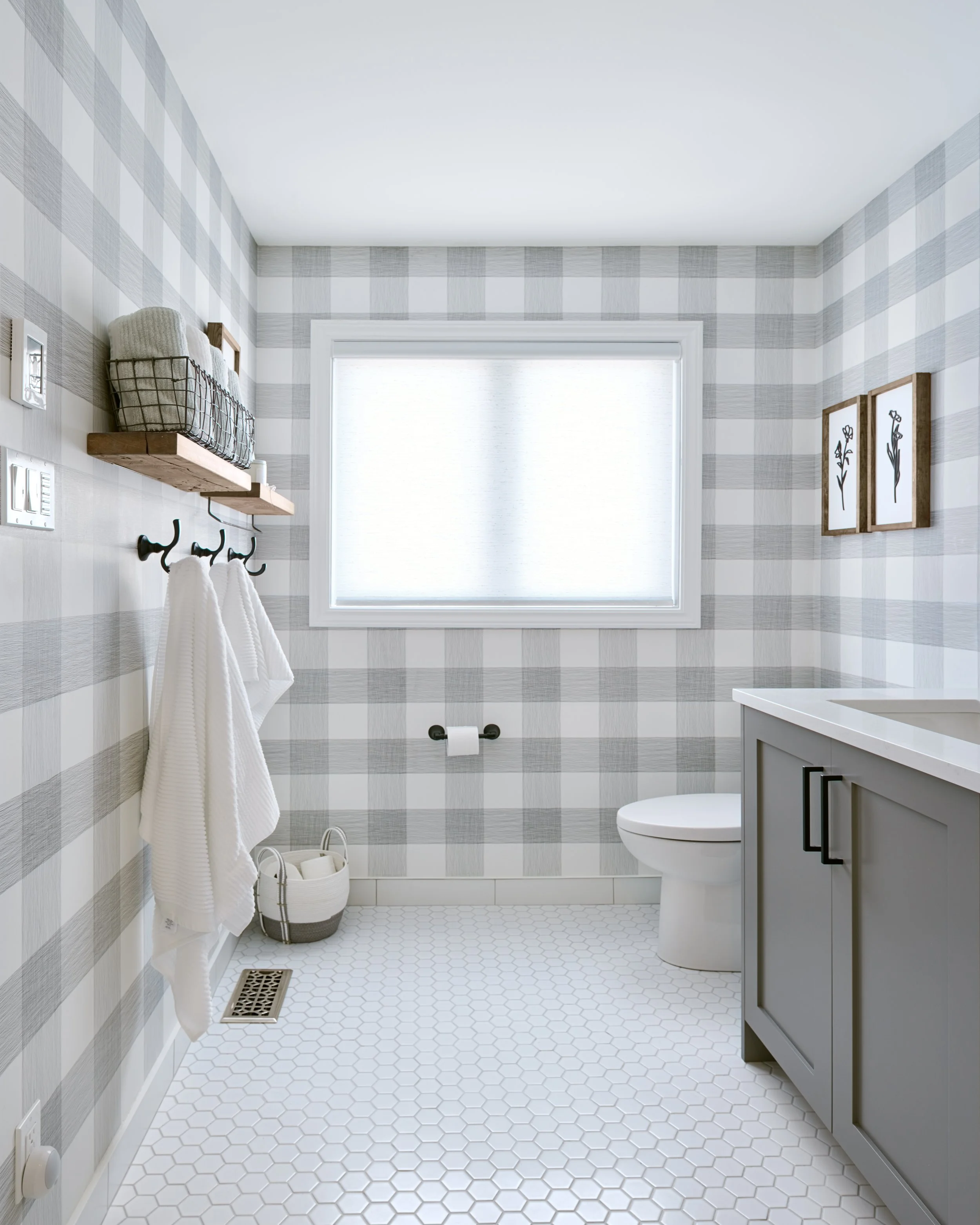
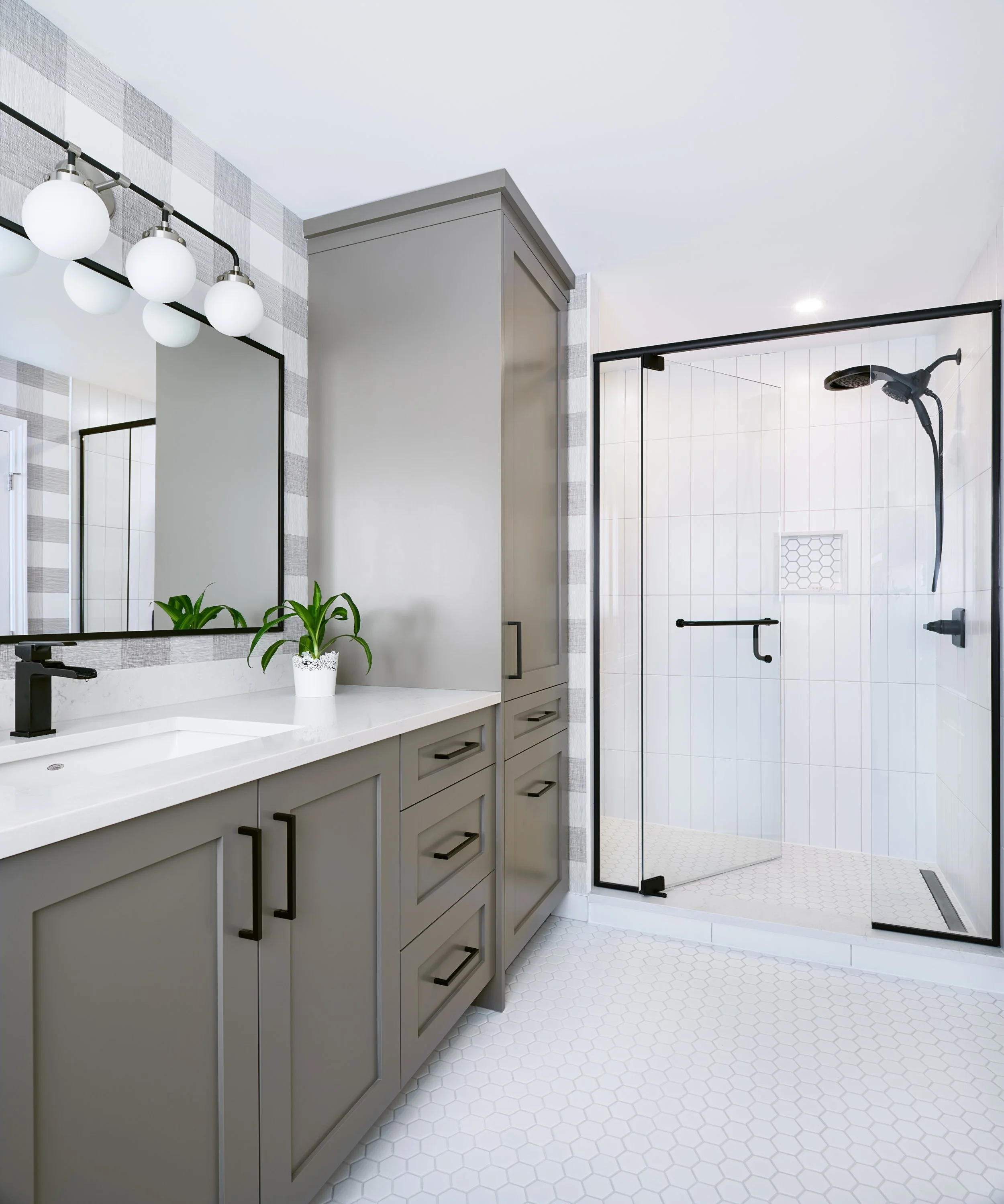
Behind every successful renovation is a series of thoughtful decisions
Before a single wall comes down, someone needs to answer questions like:
Should this wall come down at all?
Will the new layout actually improve flow?
Where should lighting go so the room functions properly?
Will there be enough storage?
Have all the details been thought through before construction begins?
Will the finished space feel cohesive?
These are not construction questions. They are design questions.
When a contractor is hired first, the conversation often starts with square footage, timelines, and construction logistics.
When a designer is hired first, the conversation starts with how you live.
We look at daily routines, at how spaces are used, and where friction naturally occurs. From there, the design is not only aesthetic; it also defines how the home will function long before construction begins.
The result is not simply a renovation. It is a plan built around your life.
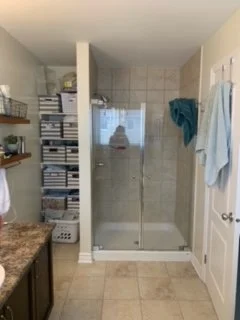
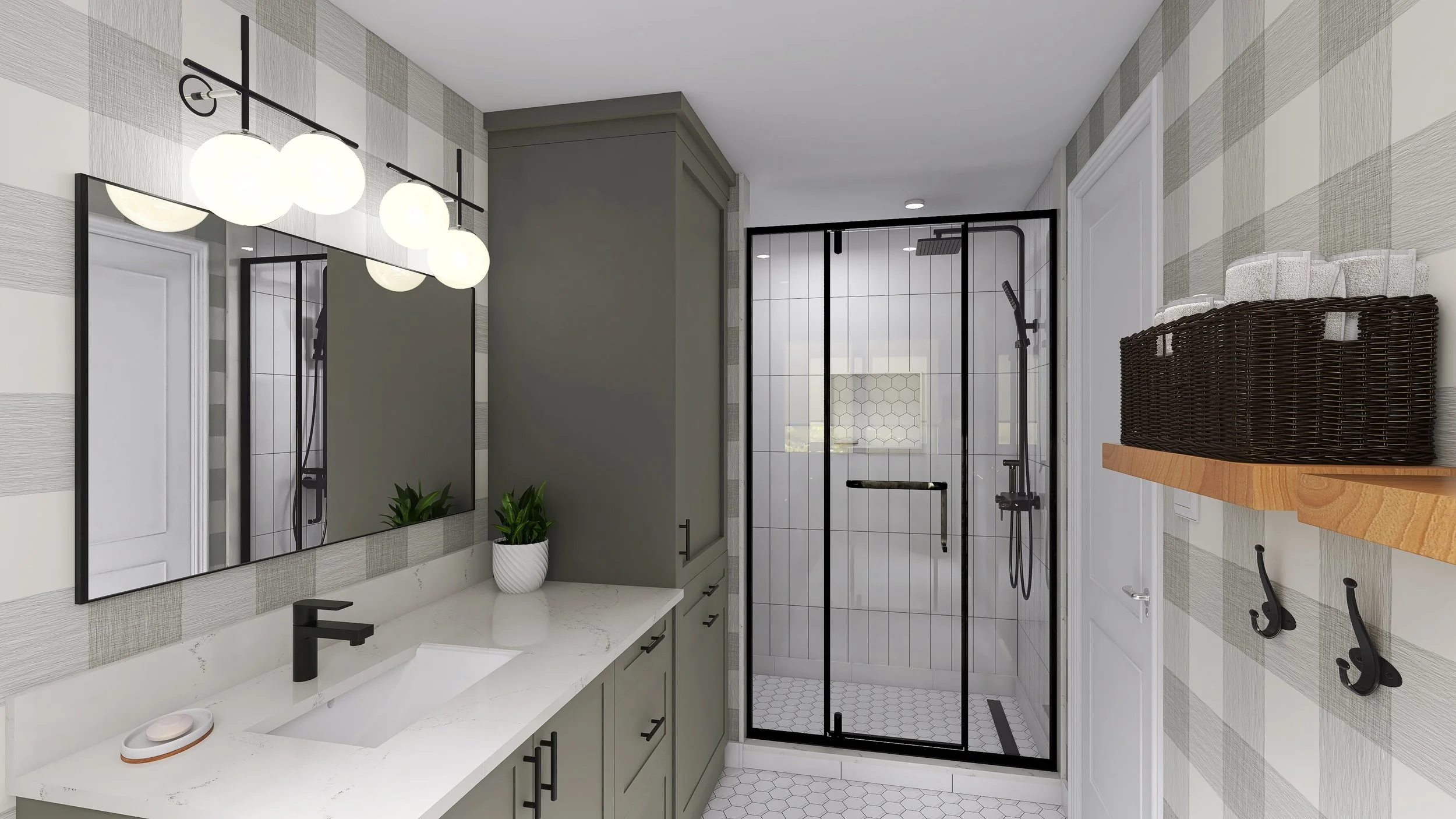
Design first means confidence before construction
One of the biggest sources of home renovation stress is decision fatigue.
Tile selections. Cabinet styles. Countertops. Plumbing fixtures. Lighting. Hardware. Paint colours. Flooring. Trim details. Appliance panels.
The list grows quickly.
When those decisions happen during construction, projects often become reactive. Timelines tighten. Choices feel rushed. Mistakes become expensive.
When design leads the process, those decisions are made early and intentionally.
Materials are selected in relation to one another. Drawings are finalized before construction begins. The entire project is considered as a whole rather than a series of rushed site decisions.
That preparation creates clarity.
No last-minute showroom visits. No panic ordering. No rushed compromises simply to keep the project moving. Instead, you move into construction with confidence because the vision has already been clearly defined.
A well-planned home renovation keeps projects on track
Contractors manage construction while Interior designers manage vision. Both roles are essential, but the order matters.
When you hire a designer first, we:
Develop layouts that truly function
Finalize materials and finishes in advance
Produce detailed drawings
Coordinate with engineers and trades
Clarify project scope before pricing begins
Anticipate issues before they become costly problems
That level of preparation protects more than the design itself. It protects your timeline, your budget, and your overall experience throughout the renovation.
While the contractor handles framing and plumbing rough-ins, we focus on the details. These details shape how the home feels and works. We plan lighting placement, storage, millwork alignment, and furniture flow. We also ensure the finished space feels cohesive.
Different responsibilities. One shared goal.
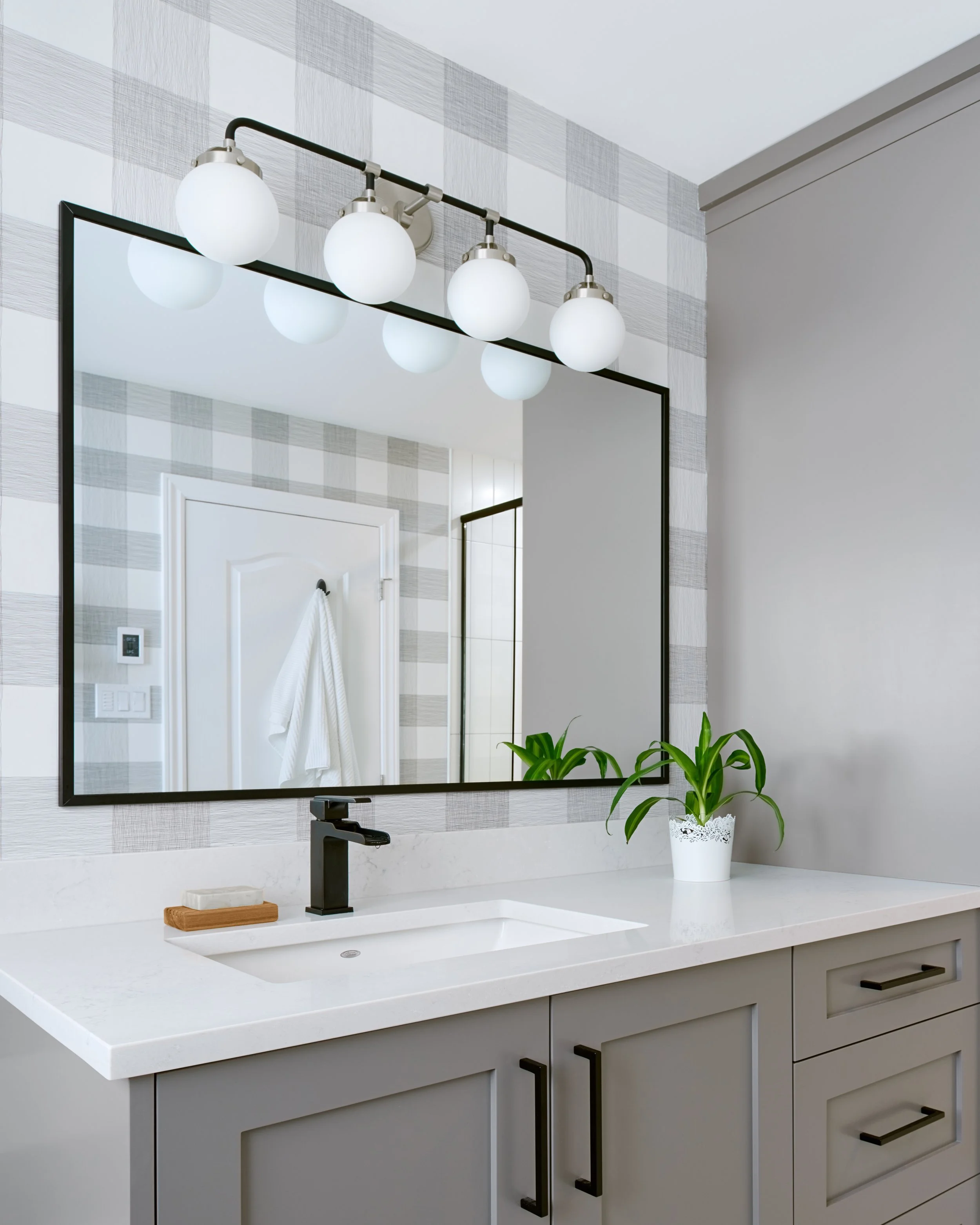
Why accurate renovation budgets require design first
One of the most common questions homeowners ask early on is: “Can you give us a ballpark budget?” And we understand why.
You want to know whether your ideas are realistic before investing further into the process. But renovation pricing cannot be based on square footage alone.
Costs are shaped by:
Layout changes
Structural work
Mechanical updates
Level of finishes
Custom millwork
Existing site conditions
Electrical and lighting requirements
Countless smaller decisions made throughout the design process
Without drawings and a finalized scope, contractors are pricing based on assumptions. Assumptions rarely lead to accurate numbers.
If the layout is not finalized, structural requirements are unknown. If lighting has not been planned, the electrical scope remains unclear. If finishes have not been selected, allowances become educated guesses rather than real costs.
This is why thoughtful planning always comes before accurate pricing.
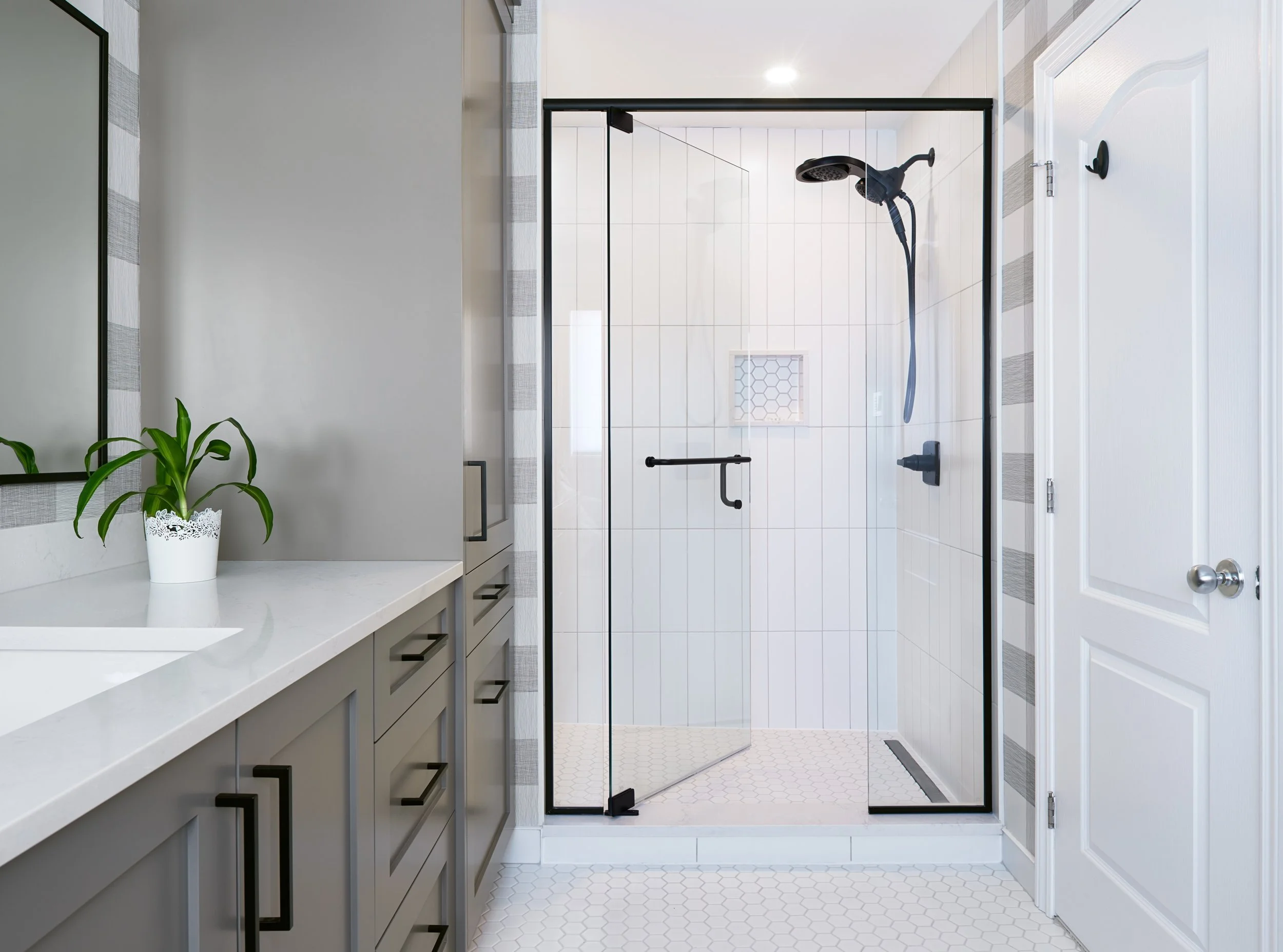
Designing first means fewer renovation regrets
We have all seen renovations that look beautiful but still do not function properly. A kitchen island that interrupts traffic flow. Lighting that feels dim because it was added too late. Storage that never fully solves the clutter problem.
These are rarely construction failures. They are planning failures.
When design leads the process, functionality is solved first. Beauty is layered on top of a strong foundation.
The result is a home that not only looks beautiful, but works beautifully too. Layouts feel intuitive. Storage exists where you actually need it. Lighting supports the way you live.
The finished home feels cohesive, intentional, and easy to live in.
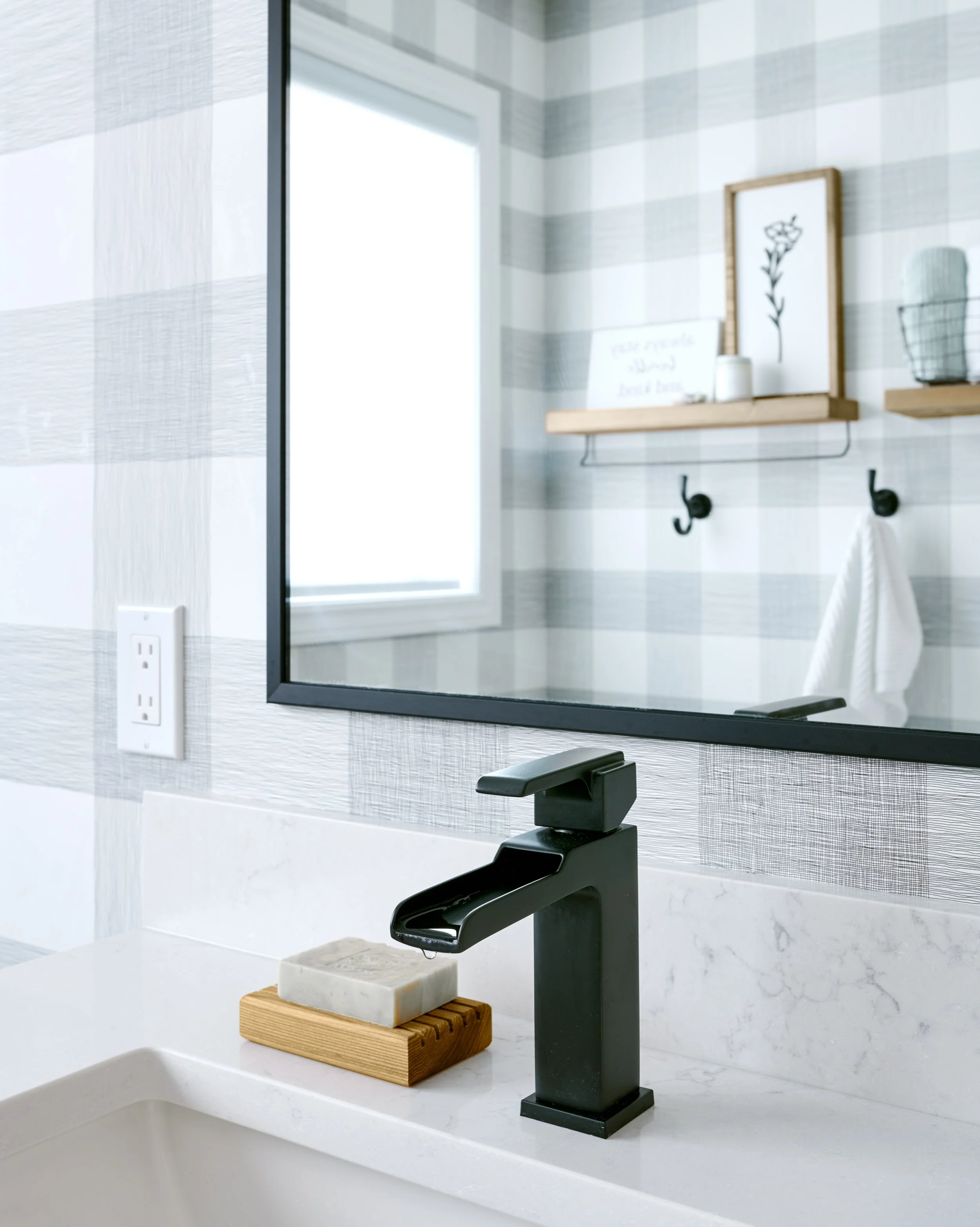

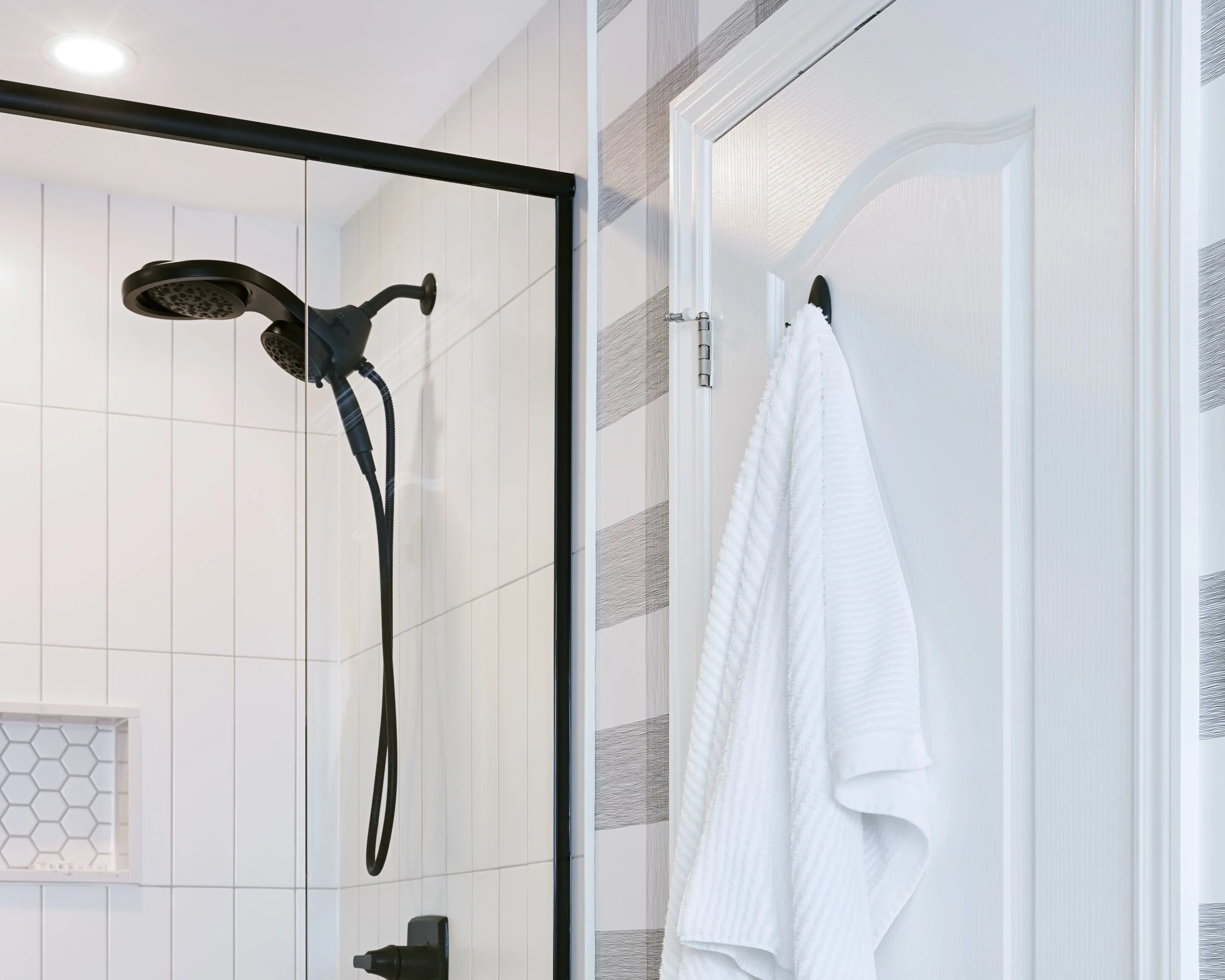
Your role shouldn’t be project manager
A renovation already affects every part of your life. Your schedule, routines, energy and your home.
You should not also be responsible for coordinating trades, deciphering drawings, chasing decisions, and managing communication.
When design leads the process, much of that coordination is handled for you.
We manage:
Design development
Documentation
Communication between trades
Site questions
Material coordination
Ongoing design adjustments throughout construction
Your role becomes what it should be - making informed decisions, staying connected to the vision, and enjoying the transformation of your home.
The bottom line
Contractors are essential to every successful renovation.
But starting with an interior designer ensures there is something truly worth building.
It creates clarity before chaos. Confidence before construction. And a home that is not only renovated, but thoughtfully transformed.
If you are planning a renovation, start with the plan. Start with design. Everything else flows from there.
Ready to get started?
If you are ready to get started, book your initial call today and take the first step toward a home that is functional, beautiful, and uniquely yours. Don’t forget to explore our portfolio for inspiration.