How to care for wood furniture
Solid wood and wood veneer furniture bring warmth, depth, and character to a home in a way few materials can. When selecting pieces for our projects, we are intentional about sourcing wood furniture that is built properly, finished thoughtfully, and designed to last.
When cared for well, solid wood and high-quality veneer furniture can be refinished, repaired, and refreshed rather than replaced. Like any natural material, wood responds to its environment, which means a little intentional care goes a long way.
This guide outlines simple habits that protect your wood furniture and help it stay beautiful for years to come.
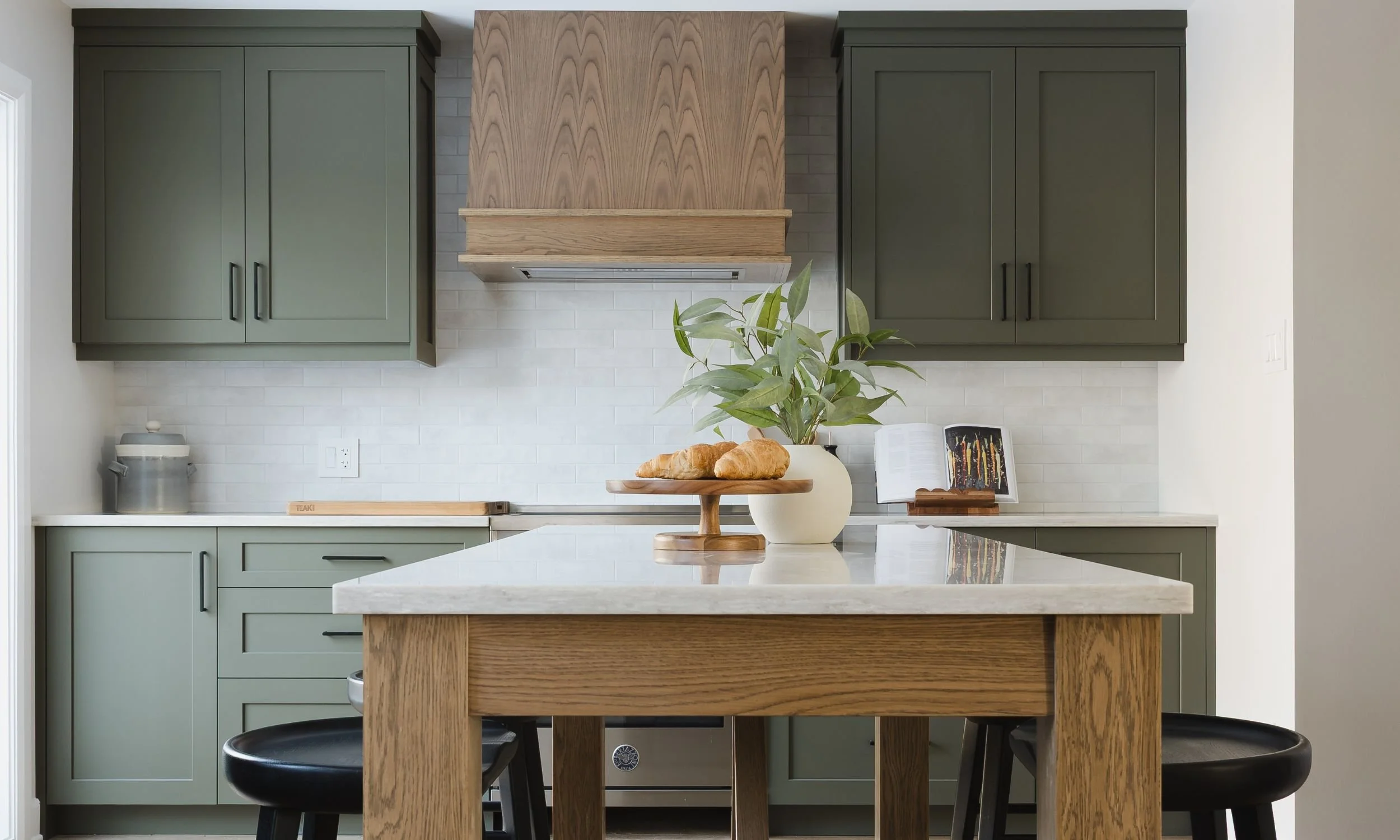
Solid wood and wood veneer, what is the difference?
There is often confusion around wood veneer, and it is important to clarify what it is and what it is not.
Wood veneer is a thin layer of real wood that is applied over a stable core, often engineered wood or plywood. The veneer itself is natural wood, not a printed image or synthetic surface. Because it uses real wood, veneer showcases the same grain, texture, and variation you would see in solid wood.
High-quality wood veneer furniture is considered a premium construction method and is widely used in high-end furniture and cabinetry. It offers several advantages over solid wood while still delivering the beauty of natural wood.
Why designers intentionally choose wood veneer
Veneer is not a compromise. It is a design choice.
Because veneer is applied over a stable core, it is less prone to warping, splitting, or seasonal movement than solid wood. This stability allows for certain furniture designs that would be difficult or impossible to achieve with solid wood alone.
Veneer makes it possible to:
Create wide, seamless surfaces without visible joins
Use consistent, book-matched or slip-matched wood grain
Achieve curved, rounded, or sculptural forms
Design thinner profiles with clean, modern lines
Maintain structural stability in large case goods
Many of the refined, architectural furniture pieces seen in high-end interiors rely on veneer construction to achieve their proportions and details.
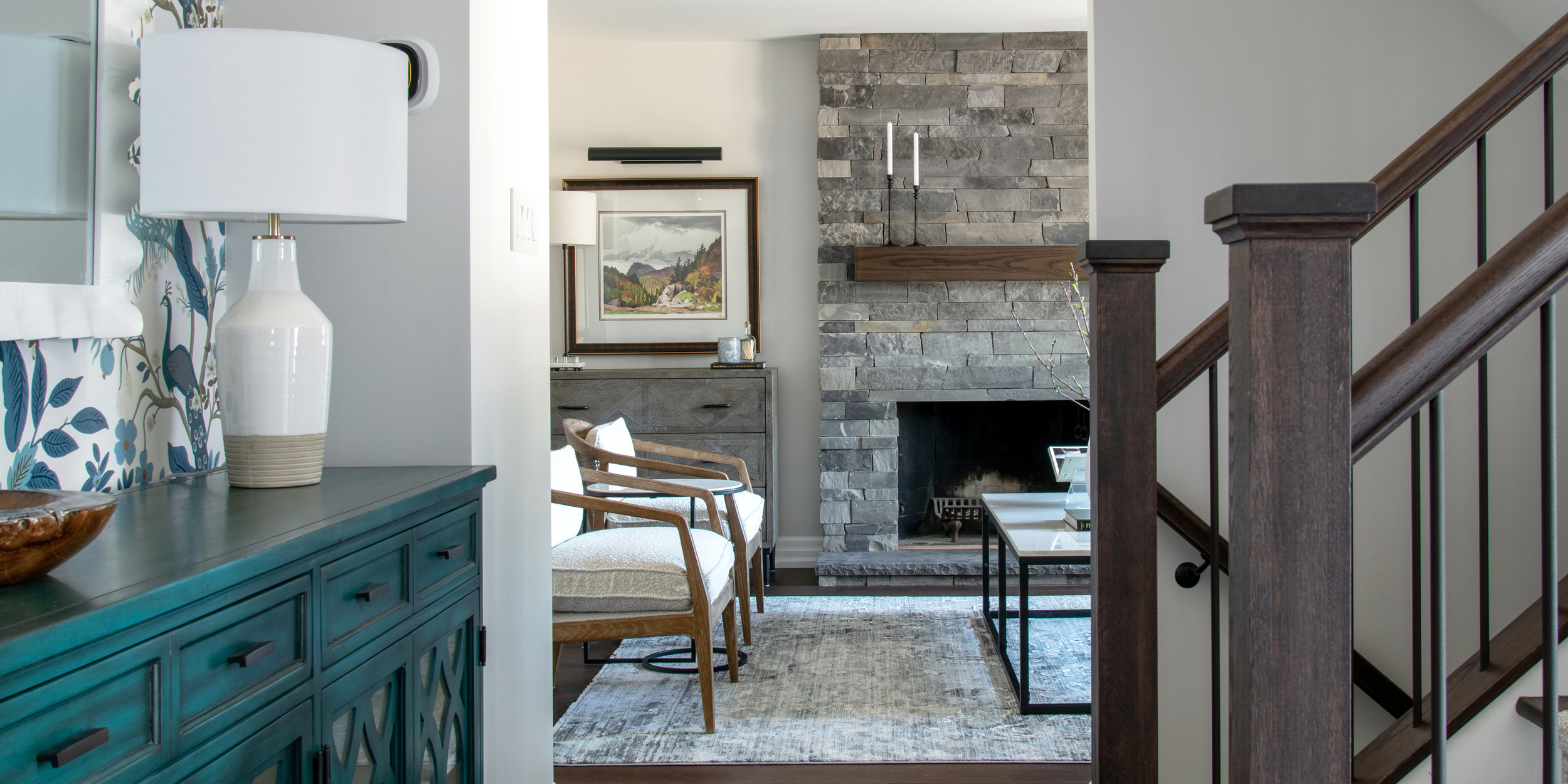
A simple wood furniture care routine
Consistent care is more important than complicated care.
Weekly
Dust with a soft, dry cloth
Wipe up spills immediately
Monthly
Lightly clean surfaces as needed
Check for dryness or changes in finish
Once or twice per year
Apply polish or conditioner if recommended by the manufacturer
Inspect joints, hardware, and moving parts
Dusting and everyday cleaning
Dust may seem harmless, but over time it can act like fine grit and dull a wood finish.
Use a soft, lint-free cloth and dust in the direction of the grain. Microfibre or cotton cloths work well. Avoid feather dusters, which often just move dust around rather than removing it.
For light cleaning, use a slightly damp cloth and immediately follow with a dry one. Wood should never be left wet.
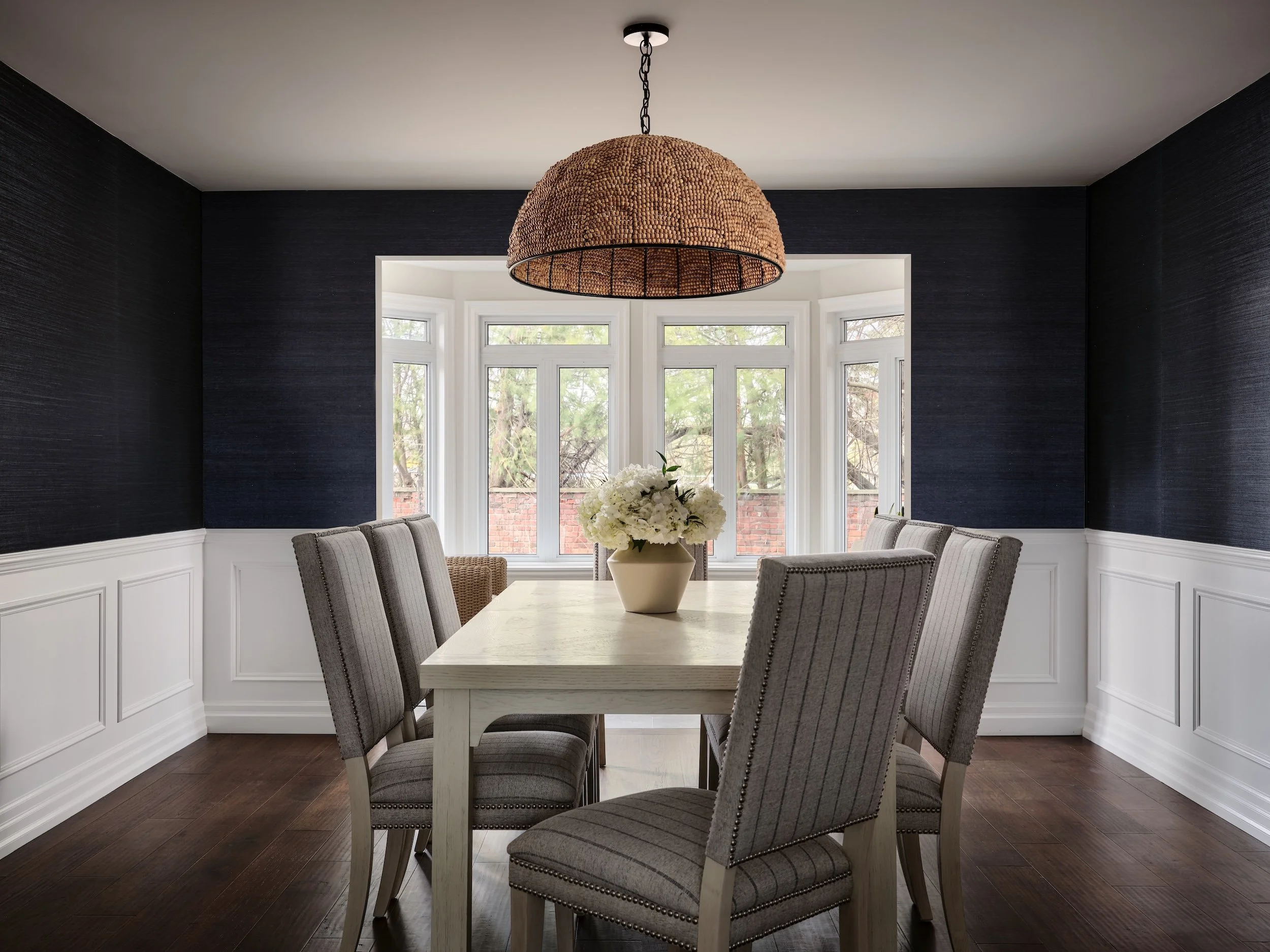
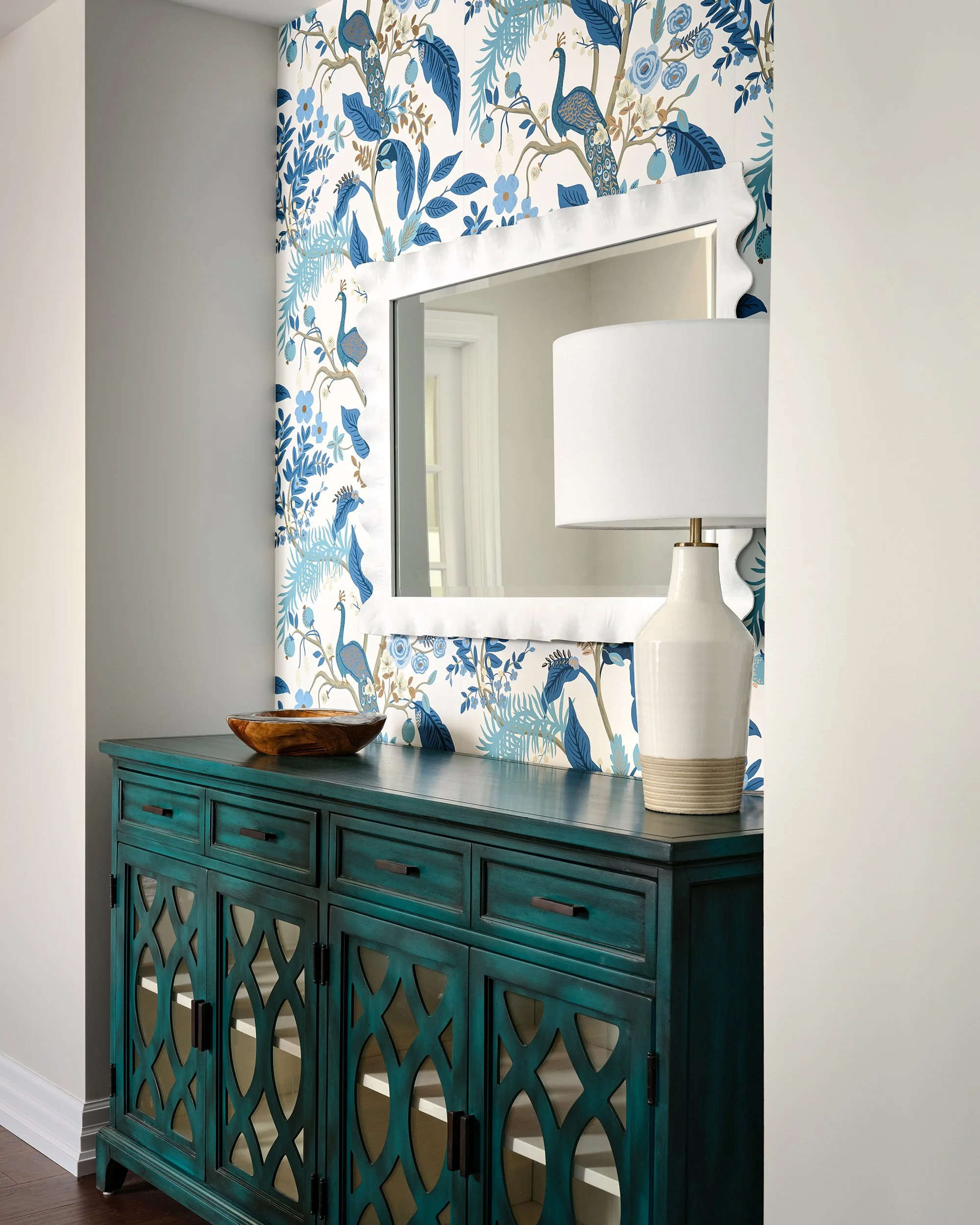
What to avoid on wood furniture
Certain habits and products can cause long-term damage.
Avoid:
All-purpose household cleaners
Vinegar or ammonia-based products
Silicone sprays
Abrasive cloths or scrubbers
These products can strip finishes, leave residue, or cause dullness over time.
Always use cleaning products specifically formulated for wood, and only when needed.
Protecting wood from moisture and heat
Wood is sensitive to moisture and temperature changes.
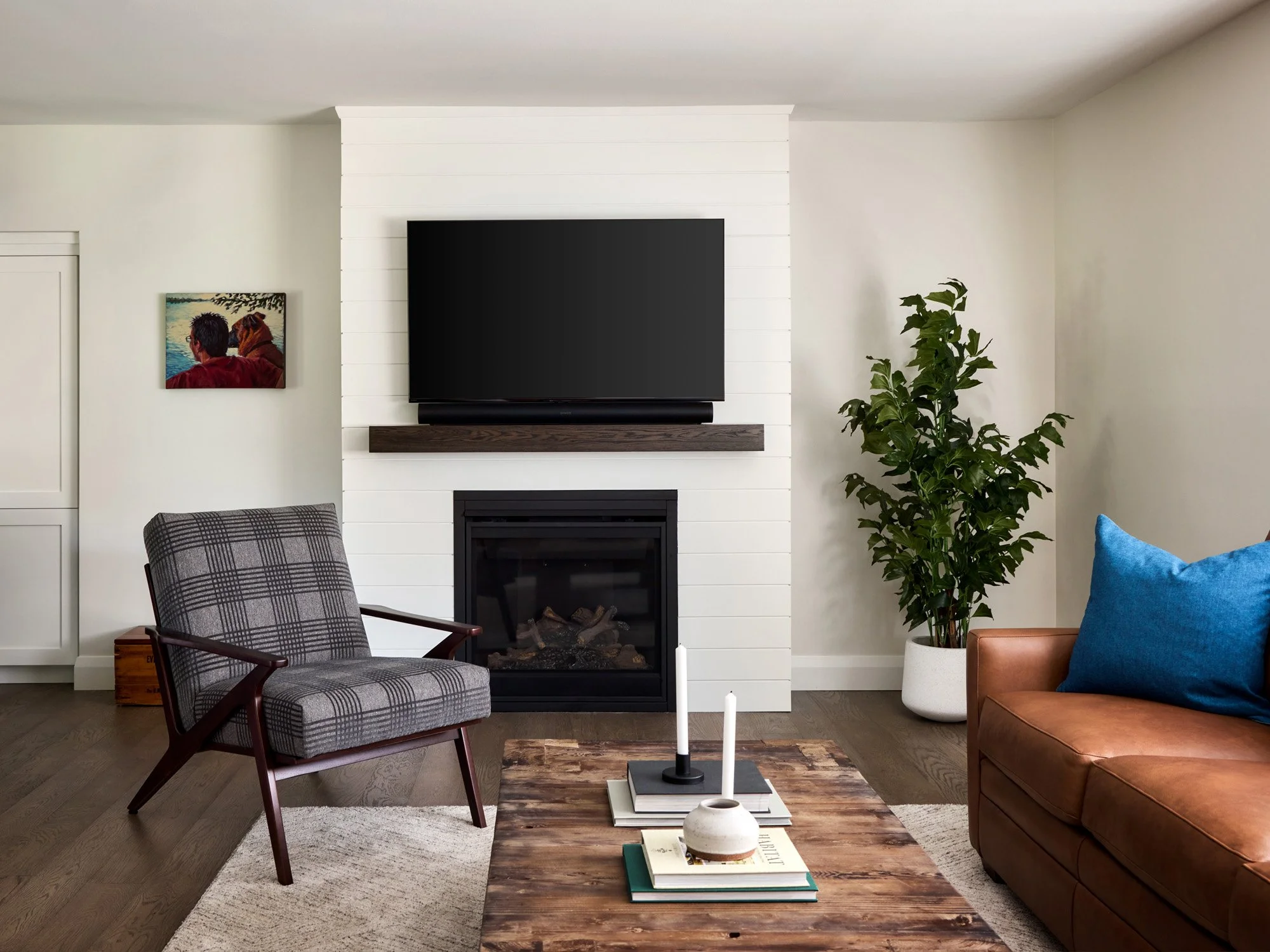
Always use coasters under drinks, even on sealed surfaces. Condensation rings can penetrate finishes and damage the wood underneath. Use placemats and trivets under hot dishes, laptops, and serving pieces.
Wipe spills immediately, even water. Standing moisture is one of the fastest ways to damage wood finishes.
Managing sunlight and environmental changes
Direct sunlight can fade wood finishes and alter colour over time. Rotate accessories and adjust window treatments to reduce prolonged exposure, especially during peak sun hours.
Wood also reacts to humidity. Very dry air can cause cracking, while excessive humidity can lead to swelling or warping. Maintaining a consistent indoor environment helps protect your furniture. A humidifier in winter and air conditioning in summer can make a noticeable difference.
Caring specifically for wood veneer furniture
Because veneer is a thin layer of real wood, it benefits from gentle care.
Avoid excessive moisture and never soak veneer surfaces. Use minimal water when cleaning and dry immediately. Be especially careful around edges and seams.
With proper care, high-quality veneer furniture can last just as long as solid wood and maintain its beauty for decades.
Polishing and conditioning wood furniture
Polishing is not something that needs to be done often. In many cases, too much polish leads to buildup and a cloudy finish.
If the manufacturer recommends a polish or conditioner, apply it once or twice a year using a soft cloth. Always test in an inconspicuous area first.
Less is more when it comes to wood care.
Scratches, dents, and patina
Minor scratches and dents are part of living with wood furniture. Over time, they contribute to a natural patina that many people love.
For small surface marks, touch-up markers or wax sticks can help blend imperfections. Deeper damage is often repairable by a professional, especially on well-made pieces.
One of the greatest advantages of solid wood and quality veneer furniture is that it can be restored rather than replaced.
Thoughtful care protects your investment
Well-made wood furniture is meant to evolve with your home. With simple habits and intentional care, solid wood and wood veneer pieces can last for decades and be refreshed when needed instead of replaced.
If you ever have questions about caring for a specific piece in your home, we are always happy to help. Our goal is to ensure the furniture we source continues to look beautiful and function well long after it arrives in your space.